A.
B.
C.
D.
A.
B.
C.
D.
A.
B.
C.
D.
A.
B.
C.
D.
A.
B.
C.
D.
Evolving "Practice" from a Feature to a Scalable Learning System.
At Allen, Practice is not a supporting feature - it drives nearly half of the learning experience. For high-stakes exams like JEE and NEET, sustained, high-quality practice is the strongest predictor of success. Students who cross key practice thresholds (500+ questions for JEE, 2000+ for NEET) consistently show higher engagement, better renewals, and measurable score improvement.
Despite its importance, the practice ecosystem was fragmented, technically constrained, and designed around exam simulation, treating learning and testing as the same action
I led the effort to unify these experiences into a single, modular Practice Engine pivoting from exam-only practice to a guided learning framework, laying a scalable foundation that supports diverse learner needs and long-term product evolution.
At Allen, Practice is not a supporting feature - it drives nearly half of the learning experience. For high-stakes exams like JEE and NEET, sustained, high-quality practice is the strongest predictor of success. Students who cross key practice thresholds (500+ questions for JEE, 2000+ for NEET) consistently show higher engagement, better renewals, and measurable score improvement.
Despite its importance, the practice ecosystem was fragmented, technically constrained, and designed around exam simulation, treating learning and testing as the same action
I led the effort to unify these experiences into a single, modular Practice Engine pivoting from exam-only practice to a guided learning framework, laying a scalable foundation that supports diverse learner needs and long-term product evolution.
Outcome
Outcome
Students who crossed threshold qs
8K → 14.5K
8K → 14.5K
8K → 14.5K
↑ 81%
Power users (weekly)
~24K → ~40K
~24K → ~40K
~24K → ~40K
↑66%
The Challenge : A Fragmented Practice Ecosystem.
In April 2024, we received a requirement to “apply a quick fix to the Q-Reel experience to support complex question types.” This triggered a deeper audit of Allen’s practice experience. We found practice spread across homework, tests, and custom flows - but powered by two legacy interfaces.
In April 2024, we received a requirement to “apply a quick fix to the Q-Reel experience to support complex question types.” This triggered a deeper audit of Allen’s practice experience. We found practice spread across homework, tests, and custom flows - but powered by two legacy interfaces.
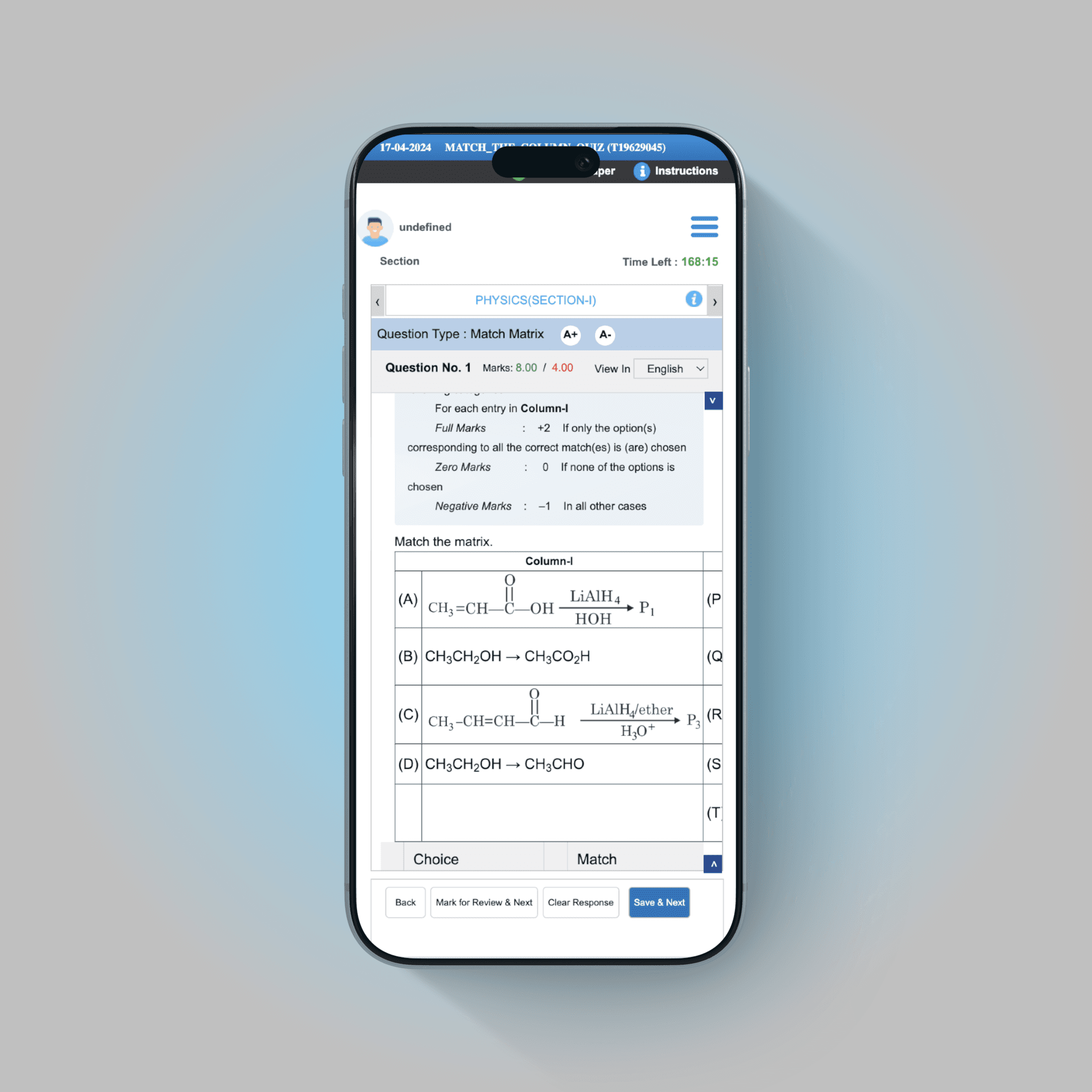
Third-party NTA web view
Functionally complete but hostile to mobile: non-responsive layouts, no image zoom, and mouse-centric interactions.
Functionally complete but hostile to mobile: non-responsive layouts, no image zoom, and mouse-centric interactions.
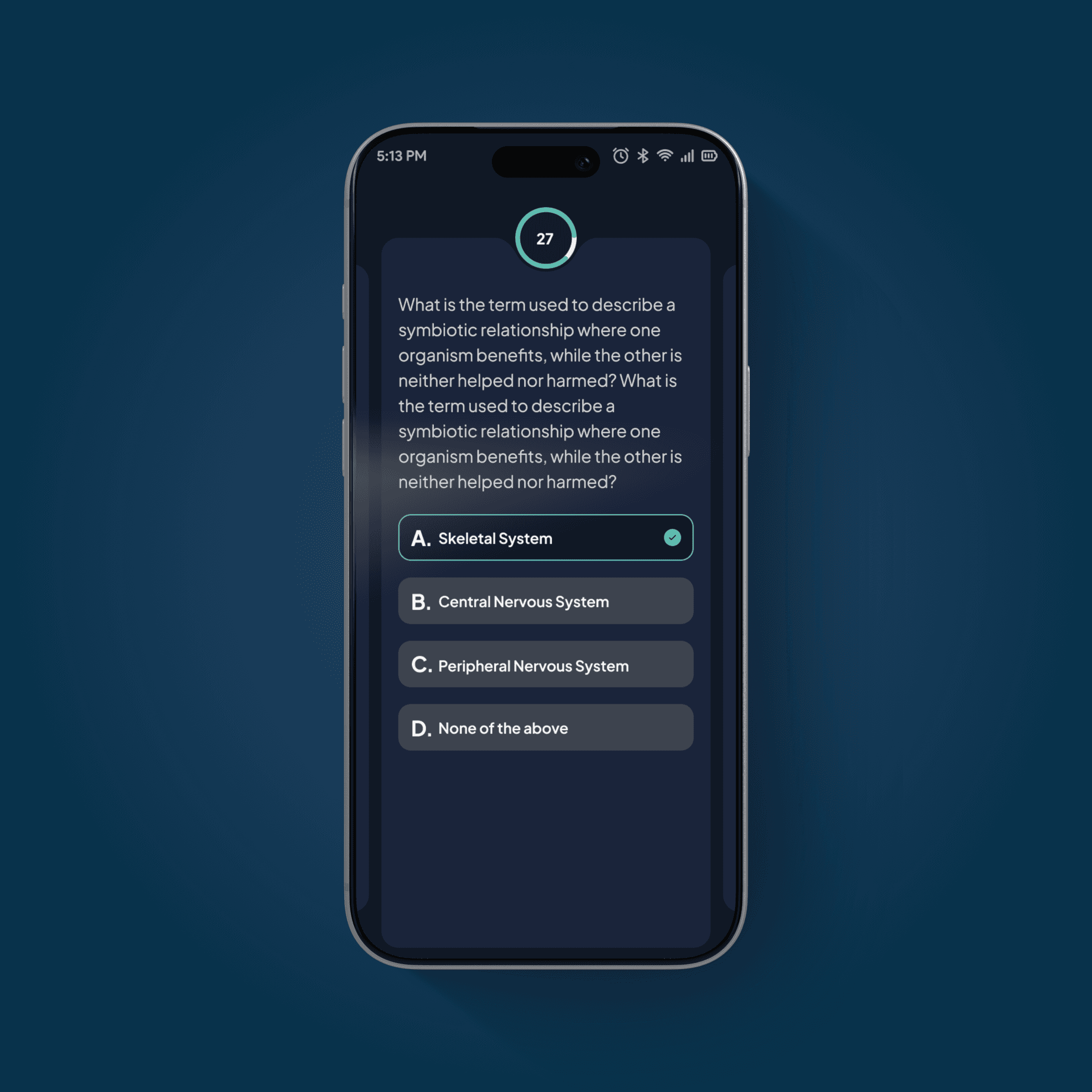
2. Q-Reel interface
Designed for fast revision. Its auto-scrolling, timers, and limited navigation made it unsuitable for complex, multi-step questions.
Designed for fast revision. Its auto-scrolling, timers, and limited navigation made it unsuitable for complex, multi-step questions.
The realisation: practice needed a new system, not another patch:
Students were preparing for the toughest exams in the country on interfaces that couldn’t support complex questions. Incremental fixes wouldn’t work - practice needed a fundamentally new system.
Students were preparing for the toughest exams in the country on interfaces that couldn’t support complex questions. Incremental fixes wouldn’t work - practice needed a fundamentally new system.
The False Start: Exam Simulation.
My initial hypothesis was that students needed a high-fidelity, exam-like interface. I studied competitor apps like PW, Aakash, Unacademy and BYJU's, and assumed that mirroring the JEE/NEET exam environment would increase engagement.
My initial hypothesis was that students needed a high-fidelity, exam-like interface. I studied competitor apps like PW, Aakash, Unacademy and BYJU's, and assumed that mirroring the JEE/NEET exam environment would increase engagement.
The proposal: a native “Exam mode”
We designed a unified, exam-style practice interface with timers, palettes, and mark-for-review - validated through student feedback and usability testing.
We designed a unified, exam-style practice interface with timers, palettes, and mark-for-review - validated through student feedback and usability testing.
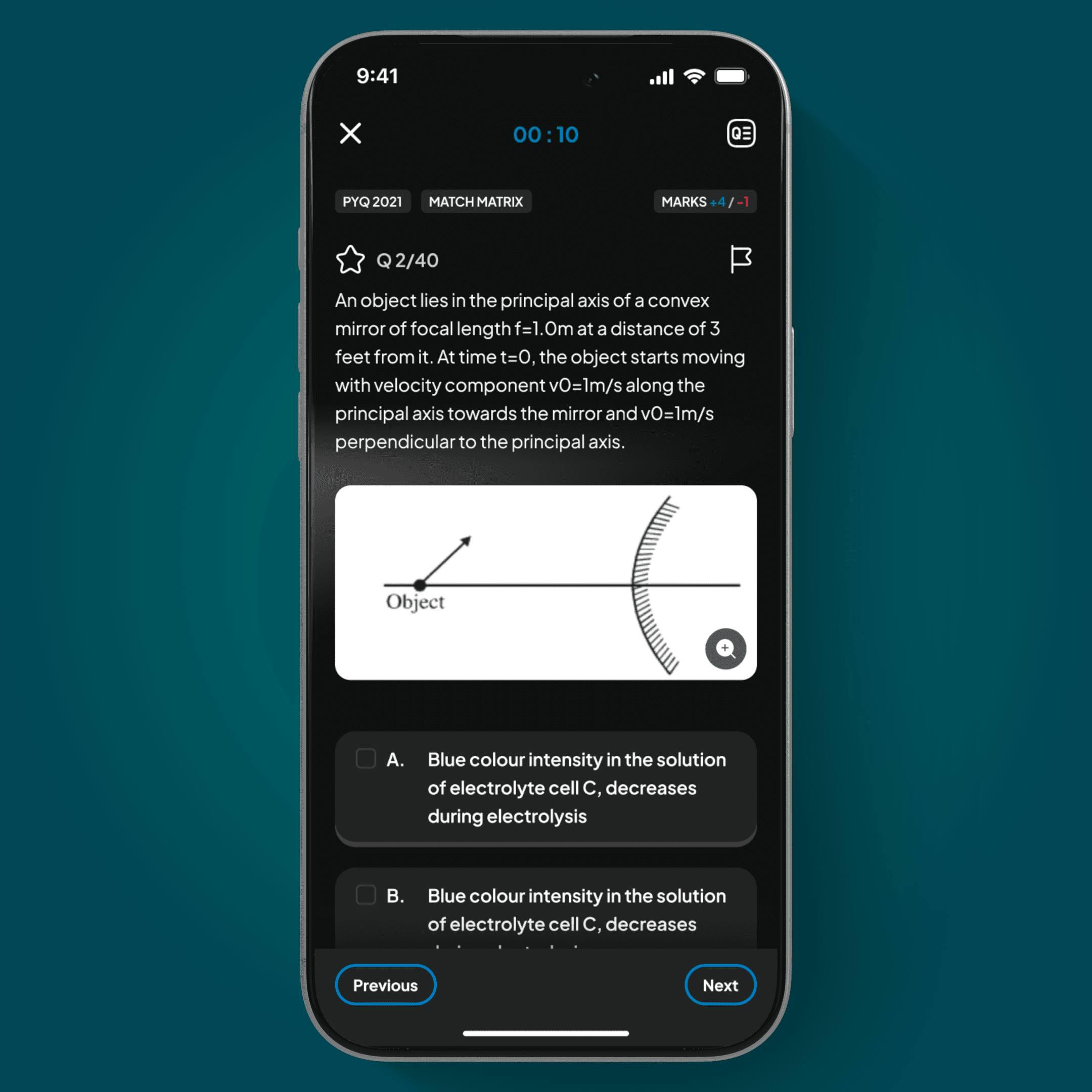
To support complex, data-heavy questions on mobile, we added landscape mode for better readability and a bottom-sheet answer palette to keep long questions and options visible together without excessive scrolling.
To support complex, data-heavy questions on mobile, we added landscape mode for better readability and a bottom-sheet answer palette to keep long questions and options visible together without excessive scrolling.
Outcome :
Deprioritised as non-growth work
Leadership saw this as a usability optimization, not a growth lever. With students already using the third-party web view, the native rebuild didn’t justify the engineering cost.
Leadership saw this as a usability optimization, not a growth lever. With students already using the third-party web view, the native rebuild didn’t justify the engineering cost.
“The third-party web view is clunky, but students are using it. Why invest months of engineering effort in rebuilding it natively?”
“The third-party web view is clunky, but students are using it. Why invest months of engineering effort in rebuilding it natively?”
Takeaway : prove learning impact, not UX clean-up
We had optimised for usability hygiene, not learning impact. To secure stakeholder buy-in, we needed to demonstrate that the redesign would measurably improve learning outcomes - not just polish the interface.
We had optimised for usability hygiene, not learning impact. To secure stakeholder buy-in, we needed to demonstrate that the redesign would measurably improve learning outcomes - not just polish the interface.
The Pivot: From Exam Simulation to Learning-Driven Practice.
A year later, a behavioural study we initiated for another feature "Score Booster", revealed a core insight: students practice with different intents, not on a single spectrum. One interface couldn’t serve all of them.
A year later, a behavioural study we initiated for another feature "Score Booster", revealed a core insight: students practice with different intents, not on a single spectrum. One interface couldn’t serve all of them.

Toppers
Toppers
Practice to simulate the exam, preferring dense layouts, timers, and full control with no interruptions.
Practice to simulate the exam, preferring dense layouts, timers, and full control with no interruptions.

Average performer
Average performer
Practice to build confidence, starting easy, avoiding time pressure, and relying on quick feedback and progress cues.
Practice to build confidence, starting easy, avoiding time pressure, and relying on quick feedback and progress cues.

Low performer
Low performer
Practice to learn fundamentals, needing step-by-step guidance, examples, and supportive feedback over binary right/wrong signals.
Practice to learn fundamentals, needing step-by-step guidance, examples, and supportive feedback over binary right/wrong signals.
Strategic shift : modular practice engine that adapts by intent
A single practice interface could not serve all learners. What helps beginners creates friction for toppers, and what accelerates experts overwhelms novices. This led to a modular practice engine that adapts its behavior - examiner, coach, or tutor based on student intent and proficiency.
A single practice interface could not serve all learners. What helps beginners creates friction for toppers, and what accelerates experts overwhelms novices. This led to a modular practice engine that adapts its behavior - examiner, coach, or tutor based on student intent and proficiency.
Foundations: Pedagogical Strategy & Comparative Analysis.
To ensure the redesign drove actual learning outcomes we triangulated our strategy by combining established Learning Science principles with an analysis of Habit-Forming Learning Apps.
To ensure the redesign drove actual learning outcomes we triangulated our strategy by combining established Learning Science principles with an analysis of Habit-Forming Learning Apps.
Grounding in Learning Science
Grounding in Learning Science
We referenced three core frameworks to understand how students process complex information and progress toward mastery:
We referenced three core frameworks to understand how students process complex information and progress toward mastery:

Cognitive Load Theory
We reduced extraneous load by eliminating split attention and excessive scrolling, preserving working memory for problem-solving.
We reduced extraneous load by eliminating split attention and excessive scrolling, preserving working memory for problem-solving.

Vygotsky’s Zone of Proximal Development
The system provides just-in-time scaffolding to help students progress from assisted understanding to independent mastery.
The system provides just-in-time scaffolding to help students progress from assisted understanding to independent mastery.

Bloom’s Taxonomy
Practice adapts across cognitive stages from understanding concepts to applying and evaluating them under exam conditions.
Practice adapts across cognitive stages from understanding concepts to applying and evaluating them under exam conditions.
Learning from Casual and Guided Apps
Learning from Casual and Guided Apps
While competitors optimised for exam pressure, we studied engagement-first products like Duolingo, Brilliant, and Khan Academy to understand how they teach without overwhelming learners.
While competitors optimised for exam pressure, we studied engagement-first products like Duolingo, Brilliant, and Khan Academy to understand how they teach without overwhelming learners.
Progressive disclosure:
Progressive disclosure:
Breaking complex concepts into digestible steps to reduce intimidation.
Breaking complex concepts into digestible steps to reduce intimidation.
Instructional Feedback:
Instructional Feedback:
Treating errors as learning opportunities with immediate context, rather than simple judgment.
Treating errors as learning opportunities with immediate context, rather than simple judgment.
Motivation Loops:
Motivation Loops:
Using lightweight reinforcement to encourage consistency over intensity.
Using lightweight reinforcement to encourage consistency over intensity.
Strategic Insight: Learning ≠ Assessment
Most tools were optimised for testing performance, not building understanding.
We needed a hybrid system - one that supports guided learning early on, and seamlessly scales into an exam-grade testing environment when students are ready.
Most tools were optimised for testing performance, not building understanding.
We needed a hybrid system - one that supports guided learning early on, and seamlessly scales into an exam-grade testing environment when students are ready.
The Strategy: The "Guided Learning" Framework.
We moved from a binary Practice vs Test model to a progressive, mastery-driven system that adapts based on student intent and proficiency, replacing one-size-fits-all flows with contextual guidance.
We moved from a binary Practice vs Test model to a progressive, mastery-driven system that adapts based on student intent and proficiency, replacing one-size-fits-all flows with contextual guidance.
Phase 1 : The Learning Phase (Concept Mastery)
Phase 1 : The Learning Phase (Concept Mastery)
Phase 1 : The Learning Phase (Concept Mastery)
Built for new topics and early-stage learners. Cognitive load was reduced through linear progression, small question batches, no timers, and immediate feedback. Hints surfaced automatically, and repeated struggle triggered short in-context concept refreshers, followed by similar questions to confirm understanding.
Built for new topics and early-stage learners. Cognitive load was reduced through linear progression, small question batches, no timers, and immediate feedback. Hints surfaced automatically, and repeated struggle triggered short in-context concept refreshers, followed by similar questions to confirm understanding.
When answered incorrectly, hint experience auto-surfaces
When answered incorrectly, hint experience auto-surfaces
Incorrect even after trying with a hint? - show solution and try similar question
Incorrect even after trying with a hint? - show solution and try similar question
Incorrect even after showing hint and solutions - system was unable to solve the issue, so we suggest routing the question to the teacher as a doubt
Incorrect even after showing hint and solutions - system was unable to solve the issue, so we suggest routing the question to the teacher as a doubt
3 consecutive incorrect attempts from the same concept - we suggest watching the concept video and coming back
3 consecutive incorrect attempts from the same concept - we suggest watching the concept video and coming back
Phase 2 : The Practice Phase (Building Momentum)
Phase 2 : The Practice Phase (Building Momentum)
Phase 2 : The Practice Phase (Building Momentum)
Designed for Average Performers building proficiency. This phase introduces exam pressure gradually, through two modes that unlock in sequence.
Designed for Average Performers building proficiency. This phase introduces exam pressure gradually, through two modes that unlock in sequence.
Untimed Practice (Sandbox):
Untimed Practice (Sandbox):
Easy-to-medium questions, flashcard-led revision, visible question navigation, guided hints, and lightweight gamification to build confidence.
Easy-to-medium questions, flashcard-led revision, visible question navigation, guided hints, and lightweight gamification to build confidence.
Timed Practice (Training Wheels):
Timed Practice (Training Wheels):
Medium-difficulty questions with exam-like constraints - timers on, delayed feedback, no auto-hints, and solutions revealed only after submission, helping students transition toward test readiness.
Medium-difficulty questions with exam-like constraints - timers on, delayed feedback, no auto-hints, and solutions revealed only after submission, helping students transition toward test readiness.
Phase 3 : The Revision Phase (The Arena)
Phase 3 : The Revision Phase (The Arena)
Phase 3 : The Revision Phase (The Arena)
For exam readiness. Students face medium-to-hard questions in a full exam simulation: strict timers, visible question palette, zero assistance (no hints or interventions), and performance-only analytics - mirroring the high-stakes JEE/NEET environment.
For exam readiness. Students face medium-to-hard questions in a full exam simulation: strict timers, visible question palette, zero assistance (no hints or interventions), and performance-only analytics - mirroring the high-stakes JEE/NEET environment.
The System Architecture: Building a Modular Engine.
To make this strategy viable for engineering, we couldn't build three separate apps. We created a Modular Practice Engine - a single codebase with configurable properties.
To make this strategy viable for engineering, we couldn't build three separate apps. We created a Modular Practice Engine - a single codebase with configurable properties.
Feature
Learning Phase
Practice Phase (untimed)
Practice Phase (timed)
Revision Phase
Timer
OFF
OFF
ON
ON
Question list view
Hidden - Linear flow
Visible
Visible
Visible
Hint behaviour
Auto-surface (proactive)
Auto-surface (proactive)
Voluntary (click-to-view)
Disabled
Feedback loop
Immediate (per question)
Immediate (per question)
Batch (end of session)
Batch (end of session)
Content injection
Concept videos (auto)
Flashcards (intro only)
None
None
Error journey
Similar qs loop
Standard retry
None
None
Why this matters
This modularity allowed us to scale the "Practice" experience across the entire app ecosystem:
This modularity allowed us to scale the "Practice" experience across the entire app ecosystem:
Score Booster uses the Learning Phase configuration (Guided).
Score Booster uses the Learning Phase configuration (Guided).
Homework uses the Practice Phase configuration (Untimed or Timed based on teacher assignment).
Homework uses the Practice Phase configuration (Untimed or Timed based on teacher assignment).
Mock Tests use the Revision Phase configuration.
Mock Tests use the Revision Phase configuration.
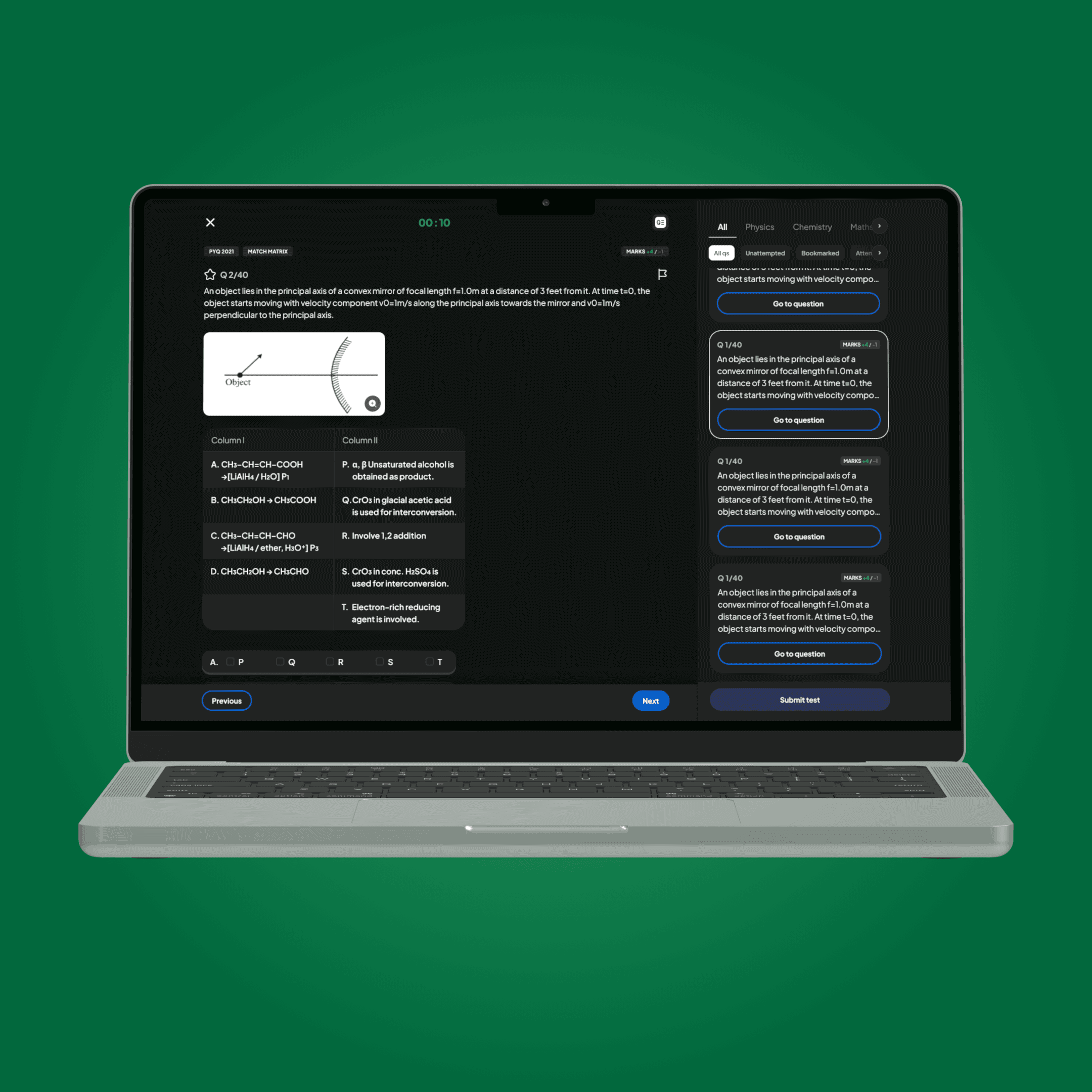
The new Practice Engine supported over 49 types of questions :
The new Practice Engine supported over 49 types of questions :
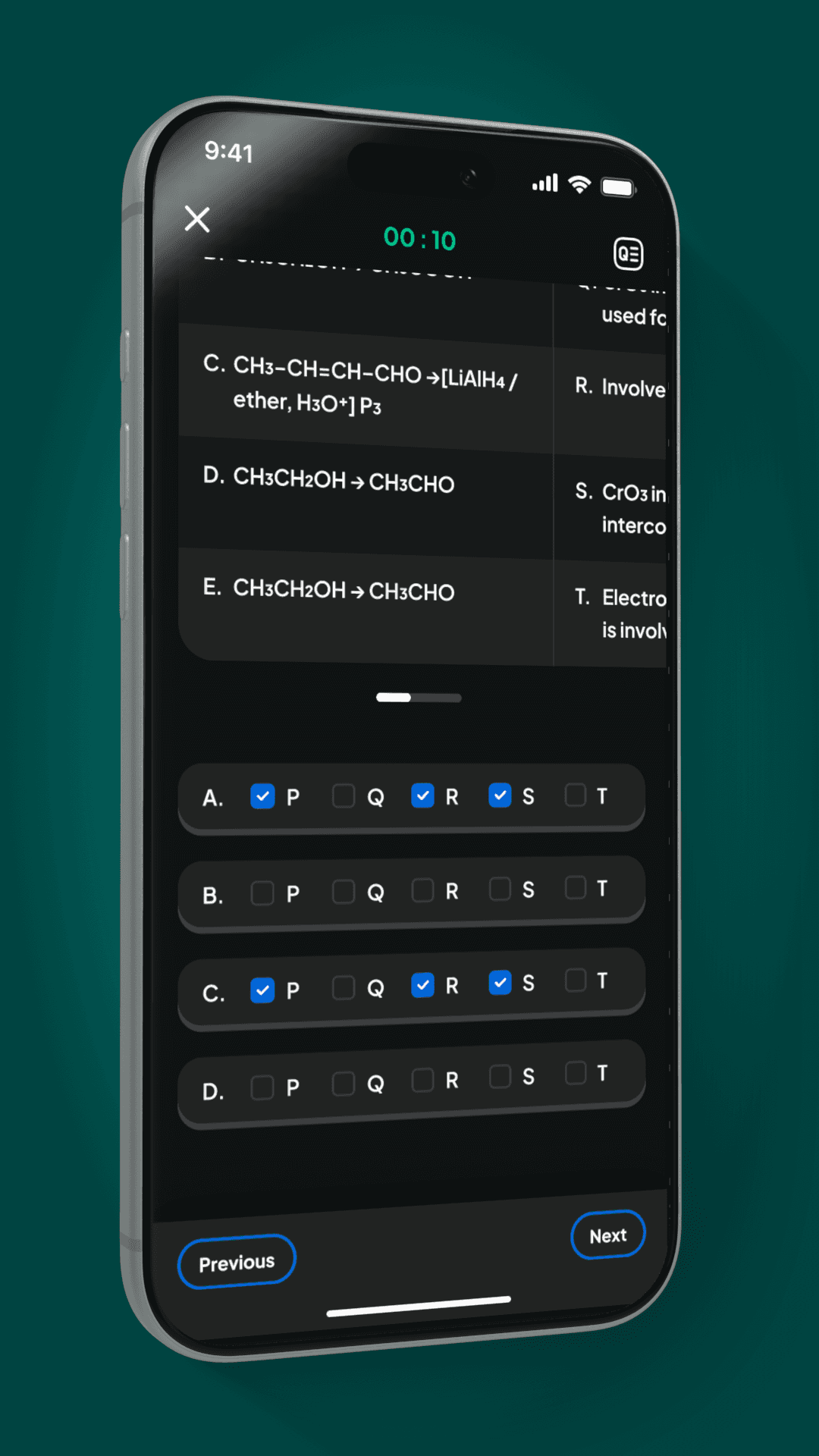
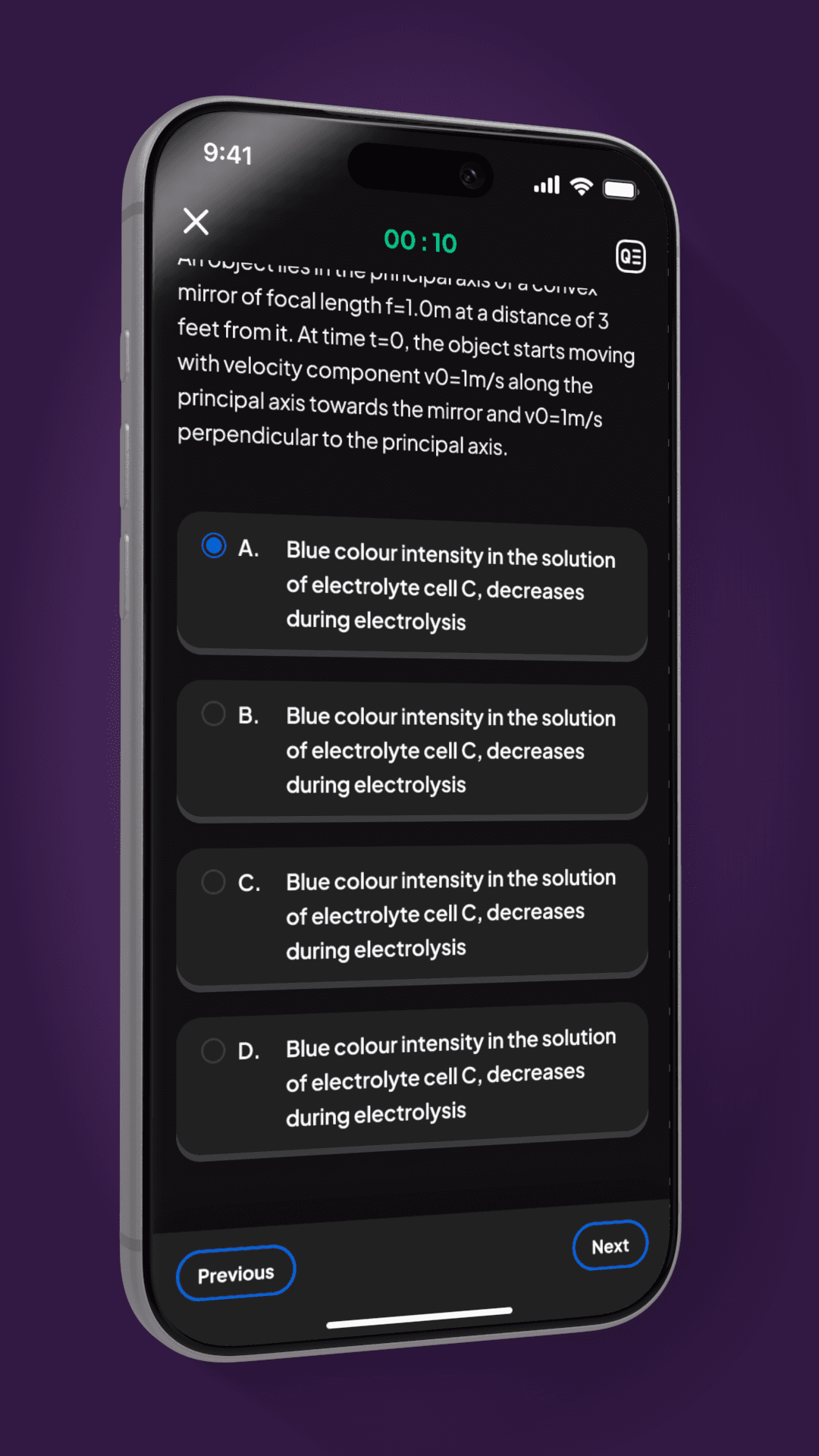
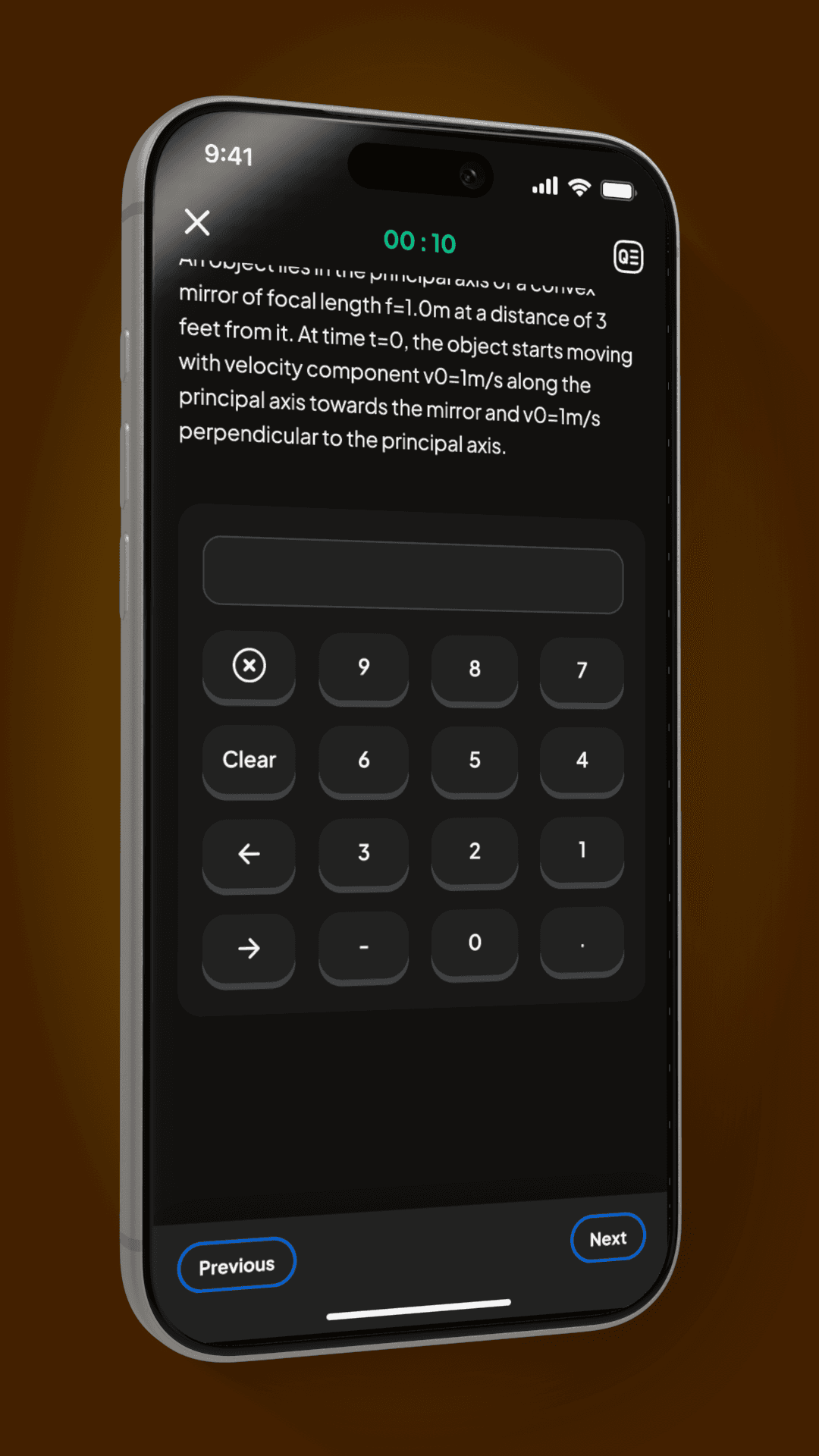
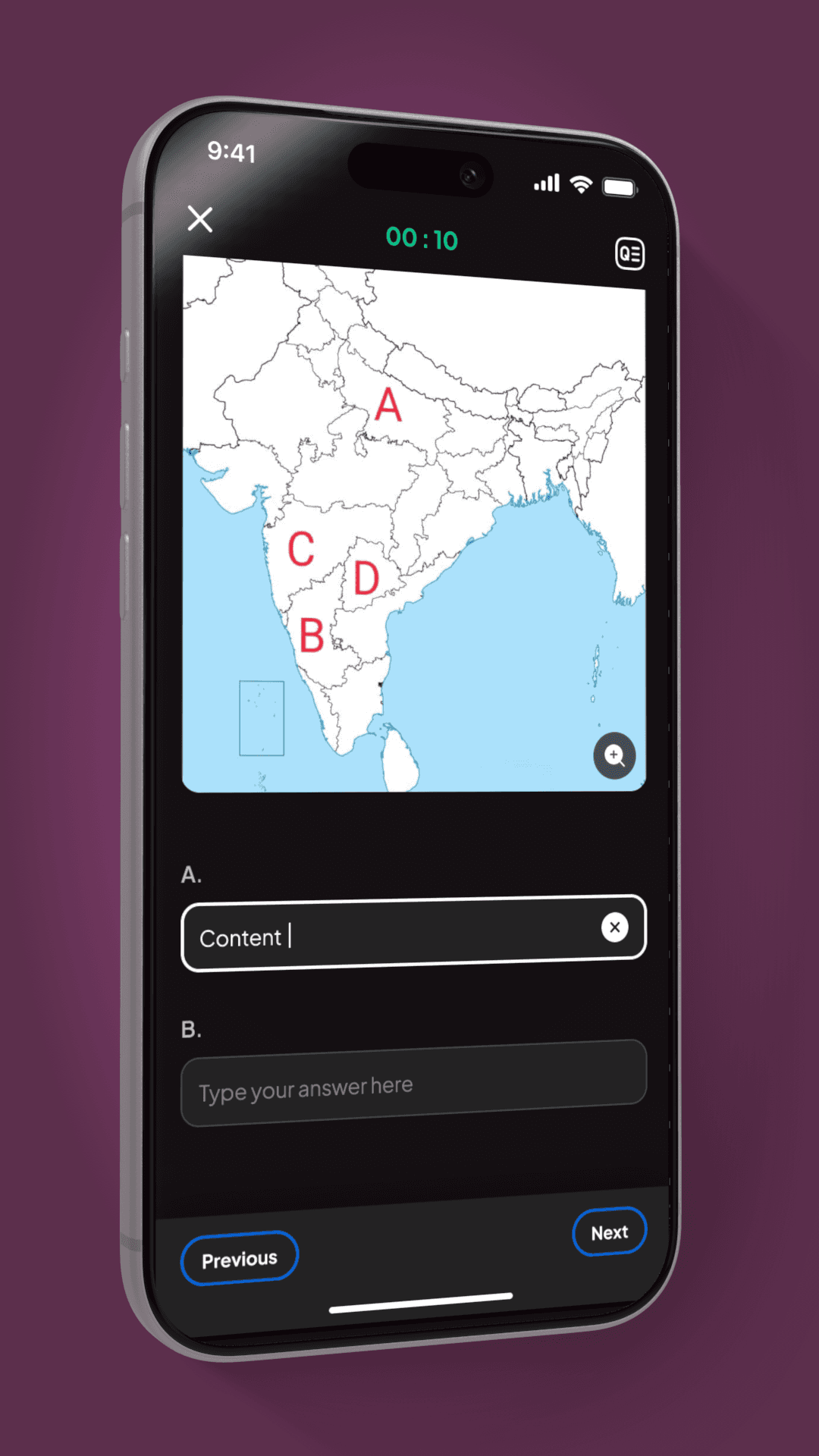
Practice Engine supports landscape and portrait modes on mobile and tablet and is also available on desktop
Practice Engine supports landscape and portrait modes on mobile and tablet and is also available on desktop
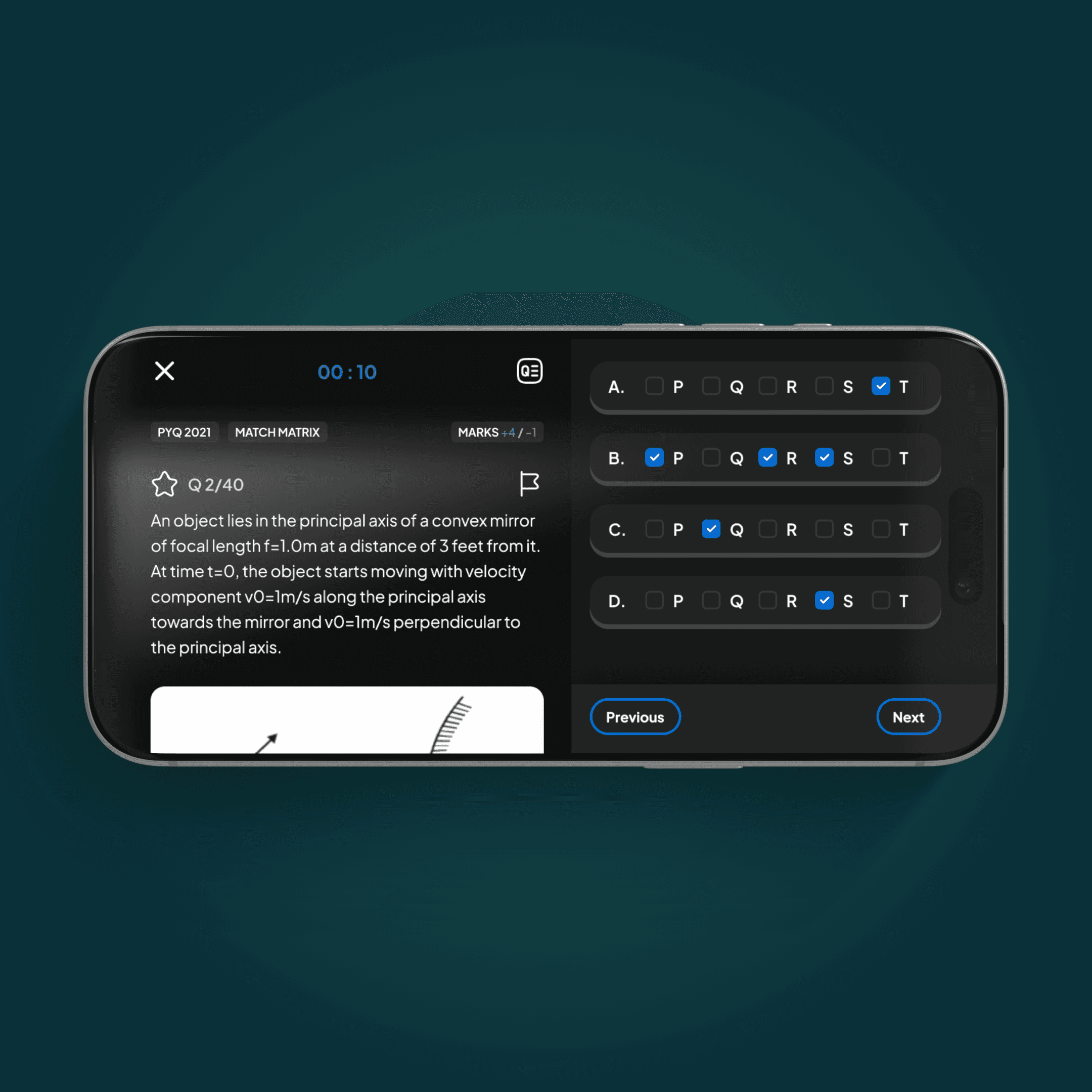
Outcome: A Scalable Practice System, Not Another Feature.
We replaced multiple disconnected practice and test experiences with a single modular engine that adapts across learning and assessment without rebuilding UI for every surface.
We replaced multiple disconnected practice and test experiences with a single modular engine that adapts across learning and assessment without rebuilding UI for every surface.
What went live
The first phase standardised the core practice experience:
The first phase standardised the core practice experience:
Adaptive practice with and without time pressure
Adaptive practice with and without time pressure
Revision / Test mode with strict timing
Revision / Test mode with strict timing
Unified question navigation and structured solution
Unified question navigation and structured solution
Support for all devices - including landscape and portrait support in mobile and tablet
Support for all devices - including landscape and portrait support in mobile and tablet
Product adoption
The engine became the default backbone for:
Custom Practice, Improvement Book, Score Booster, and Test Experiences, consolidating legacy flows into one configurable system.
The engine became the default backbone for:
Custom Practice, Improvement Book, Score Booster, and Test Experiences, consolidating legacy flows into one configurable system.
Early Impact
Students who crossed threshold qs*
8K → 14.5K
8K → 14.5K
8K → 14.5K
↑ 81%
Power users (weekly)
~24K → ~40K
~24K → ~40K
~24K → ~40K
↑66%
*Practice threshold: the minimum volume of solved questions (500+ for JEE, 2000+ for NEET) required to reliably drive higher engagement, better renewals, and measurable score improvement.
*Practice threshold: the minimum volume of solved questions (500+ for JEE, 2000+ for NEET) required to reliably drive higher engagement, better renewals, and measurable score improvement.
Why this unlocked scale :
Clarifying user intent (practice vs. revision vs. testing) and standardising navigation reduced cognitive friction and encouraged sustained practice at scale.
Clarifying user intent (practice vs. revision vs. testing) and standardising navigation reduced cognitive friction and encouraged sustained practice at scale.
This validated a system-first foundation, allowing future guidance layers (hints, tutoring, interventions) to be added without reworking the core experience.
This validated a system-first foundation, allowing future guidance layers (hints, tutoring, interventions) to be added without reworking the core experience.
Learnings.
Design for intent, not features
Design for intent, not features
Practice isn’t a single workflow - students switch between learning, training, and testing. Treating these as distinct modes (not one feature) gives us a clearer foundation to design on.
Practice isn’t a single workflow - students switch between learning, training, and testing. Treating these as distinct modes (not one feature) gives us a clearer foundation to design on.
One-size-fits-all systems silently exclude users
One-size-fits-all systems silently exclude users
Unifying Practice into a configurable engine (timers, hints, navigation, feedback) reduced fragmentation and future tech debt.
Unifying Practice into a configurable engine (timers, hints, navigation, feedback) reduced fragmentation and future tech debt.
Business alignment requires outcome framing, not UX framing
Business alignment requires outcome framing, not UX framing
Our first redesign failed to get buy-in because it solved usability pain, not learning impact. Reframing around mastery + cohort needs created executive alignment, even for phased delivery.
Our first redesign failed to get buy-in because it solved usability pain, not learning impact. Reframing around mastery + cohort needs created executive alignment, even for phased delivery.
Research should shape the roadmap, not just the UI.
Research should shape the roadmap, not just the UI.
Cohort insights (toppers vs. average vs. struggling learners) helped us sequence what to build now vs. later, ensuring guided learning can be layered in safely when ready.
Cohort insights (toppers vs. average vs. struggling learners) helped us sequence what to build now vs. later, ensuring guided learning can be layered in safely when ready.
Open to new ideas, learnings and coffee chats.
+91 9667319653
saraswathyp.design@gmail.com
Made with love on Framer
© SARASWATHY 2025
Open to new ideas, learnings and coffee chats.
+91 9667319653
saraswathyp.design@gmail.com
Made with love on Framer
© SARASWATHY 2025
Open to new ideas, learnings and coffee chats.
+91 9667319653
saraswathyp.design@gmail.com
Made with love on Framer
© SARASWATHY 2025